
A new mom was discharged from the hospital with her newborn baby to a severely damaged home after Hurricane Helene devastated Western North Carolina. Kelly (not her real name) faced a heartbreaking struggle. Her baby struggled to breastfeed. She had only one can of powdered formula and one single bottle, which she couldn’t clean properly. After twelve days of overwhelming concern, she finally received infant feeding support and supplies from a lactation volunteer.
Kelly’s experience is not unique. Infant feeding challenges arise after natural disasters, whether breastfeeding, formula feeding, or both, due to food and water shortages, power outages, and poor sanitation. Hurricane Helene caused water system disruptions affecting over 3.5 million people. An estimated 126,000 homes were damaged, displacing many to temporary shelters, hotels, or staying with family and friends.
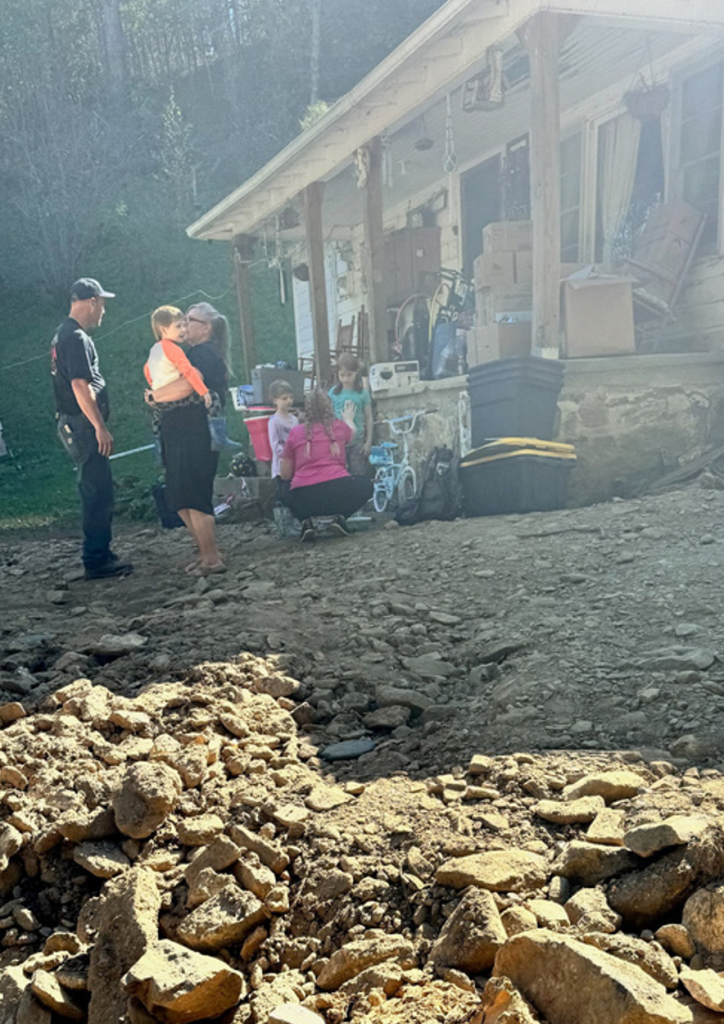
As a nurse and lactation consultant who was also affected by the hurricane, I witnessed first-hand the cascading health challenges families face in the aftermath of disasters like Hurricane Helene. Water system disruptions significantly increases the risks of infection and gastrointestinal issues from contaminated water, inability to wash hands properly, and food handling. For infants, who have special nutritional needs and immature immune and digestive systems, the conditions of natural disasters can lead to serious illness from bacterial and viral infections. Infants who are formula-fed or fed both breastmilk and formula (mixed-fed) face a high risk of exposure to bacteria from unclean bottles and supplies, unsafe water used to mix formula, and expired formula.
Breastfeeding provides essential immunity and nutrition and is the safest way to feed infants in a natural disaster. The American Academy of Pediatrics recommends only breastmilk for the first 6 months of life, followed by additional foods, and continued breastfeeding until at least age two. However, breastfeeding rates often decrease after disasters due to numerous challenges. While breastfeeding parents can produce sufficient milk even under stress or with limited nutritional intake, many worry that these factors negatively impact the quality and quantity of breast milk. This perception, combined with limited access to lactation specialists and education and increased availability of donated formula, often leads families to reduce or stop breastfeeding unnecessarily.
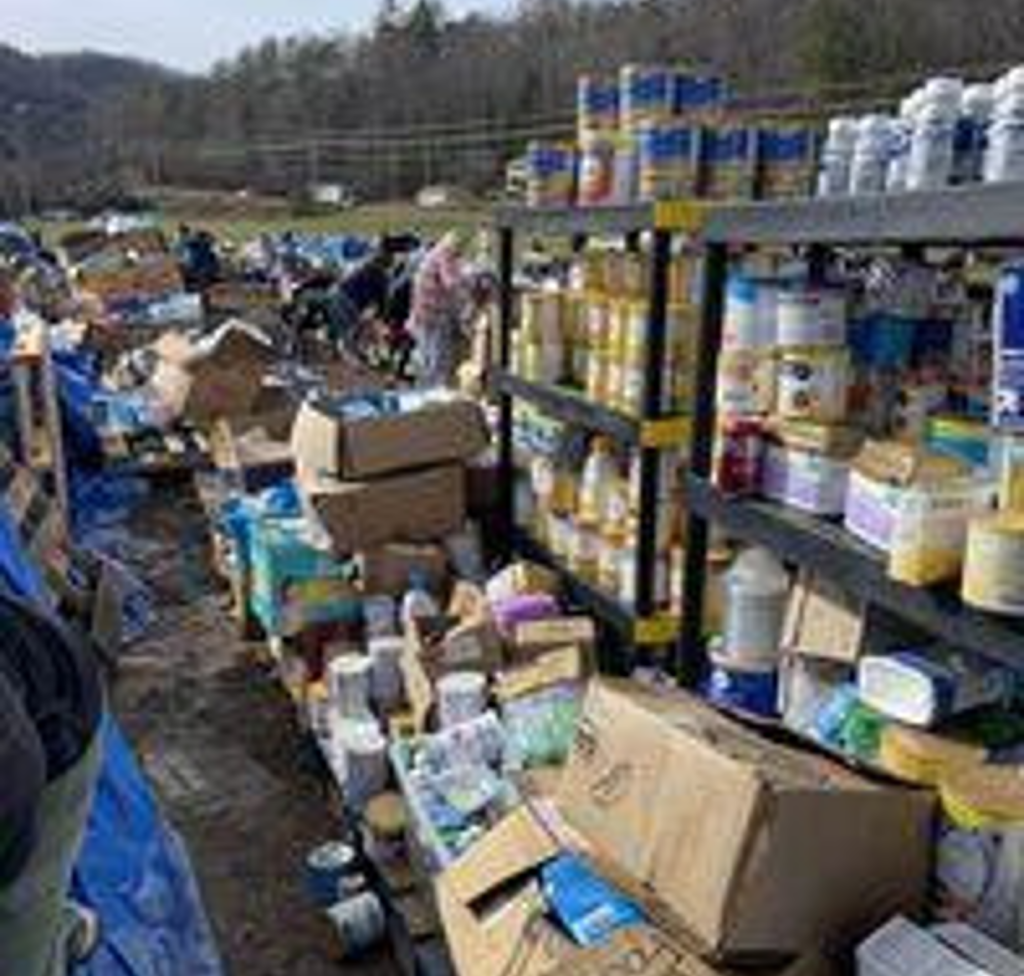
A significant challenge to supporting safe infant feeding practices is the overreliance on formula and its unregulated distribution in disaster areas.1 Brandi Harrison, an Infant Feeding in Emergencies Team leader comments:
“The amount of formula inundating these communities is alarming-literal mountains of it. We disposed of thousands of pounds of expired or spoiled formula.”
Brandi describes cans of powdered formula, which require clean water for preparation, sitting out in the sun, along with expired cans and no instructions for proper preparation or access to cleaning supplies. The pre-mixed or ready-to-feed formula is a safer option than powdered formula, as it is sterile and ready to feed without adding water.
When Hurricane Helene struck, leaders of the North Carolina Breastfeeding Coalition asked, “Who is responsible for ensuring safe infant feeding during this emergency?” They discovered no one was assigned this responsibility and took swift action by forming the Support and Advocacy for Infant Feeding in Emergencies Team. The team distributed 928 safe infant feeding kits and provided support to 1,394 families with safe formula feeding and lactation care (Love Anderson, personal communication, November 11, 2024)
As natural disasters become increasingly frequent, safe infant feeding must be a priority in emergency planning and response. The Centers for Disease Control’s toolkit on Infant and Young Child Feeding in Emergencies outlines essential preparedness steps, including:
- Training emergency relief workers on safe infant feeding practices
- Include lactation support providers at relief sites to educate and counsel families
- Monitor and manage formula distribution at official relief organizations to meet individual family needs, prioritizing ready-to-feed formula with guidelines for safe storage and use
- Establish sanitation stations at shelters for cleaning and preparing feeding equipment
- Provide families with clear instructions on formula handling, preparation, and cleaning feeding supplies.
Elected officials must advocate for the inclusion of infant feeding in emergency response policies and actions. Emergency plans must address the needs of families and infants, the most vulnerable in disasters. Citizens can voice concerns to elected leaders for FEMA to support lactation resources and infant feeding assistance. Prioritizing safe infant feeding is essential to protect our youngest and most vulnerable.
By Sonja Emerson MSN, MPH, RN, IBCLC.