
For Emergency Managers & Disaster Response Personnel
by Norma Escobar, SAFE Team
In crisis response, few responsibilities are as critical—or as sensitive—as safeguarding infants and young children. When infrastructure fails—when clean water is disrupted, power grids go down, and sanitation is compromised—how we manage infant feeding directly impacts child survival rates.
For emergency managers, navigating infant feeding can feel complicated. Response teams often worry that strongly promoting breastfeeding will isolate or guilt parents who formula-feed, or that crisis conditions are simply “too stressful” for mothers to nurse.
Emergency management teams do not have to choose between public health messaging and empathetic care. All babies need to be fed safely, regardless of their circumstances and family feeding reality. The following framework balances clinical safety with trauma-informed operations in shelters and relief hubs:
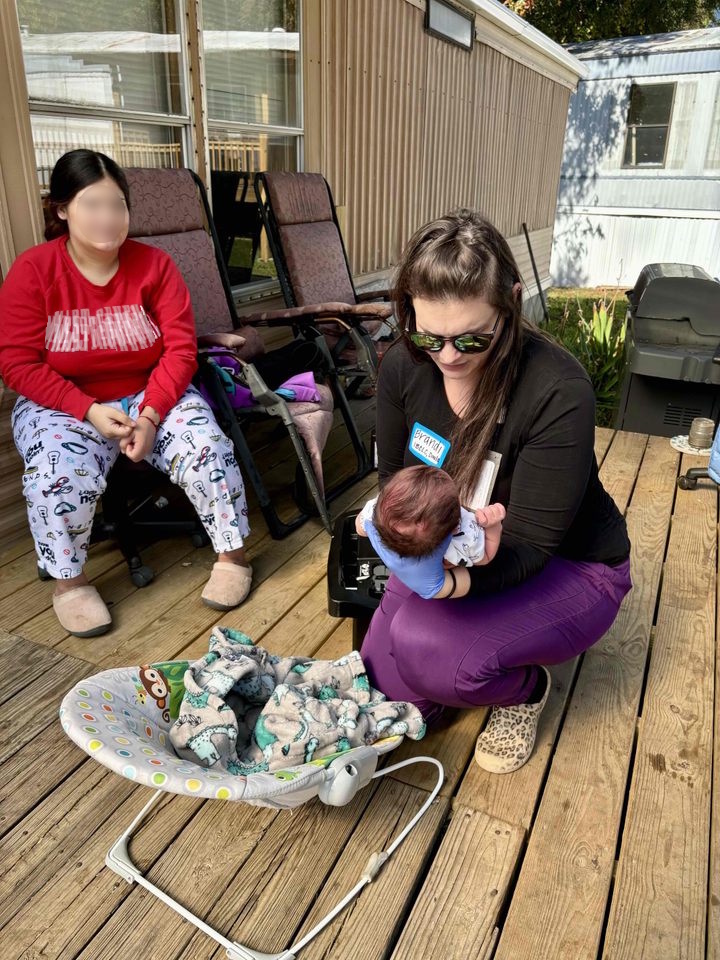
1. Respect and Support Every Family’s Feeding Journey
Trauma-informed disaster response starts by meeting families where they are. Disasters are not the time to judge, police, or debate how a caregiver feeds their baby.
- Formula-Dependent Infants Require Urgent Protection: Families who rely on infant formula must be provided with targeted, safe supplies immediately. In emergencies where clean water is scarce, Ready-to-Feed (RTF) liquid formula is the safest option because it requires no mixing or extra water. Response teams must also ensure caregivers receive safe cleaning supplies and clear instructions on hygiene. When powdered formula is used in situations of water insecurity, additional instructions and supplies for potable water, safe formula mixing, and sanitation are essential.
- Frame Breastfeeding as Protective Safety, Not Personal Morality: Position breastfeeding in public messaging through an emergency safety lens rather than a lifestyle decision. Use messaging like: “Breastfeeding protects your baby against illness when clean water and power are unavailable.” Clear, protective messaging grounds the advice in situational safety without making caregivers feel judged.
- No Blanket Decisions: Every family’s situation must be assessed individually. A caregiver’s use of formula or desire to breastfeed should be fully supported without friction or shame.
2. Why Disasters Should Never Be a Reason to Stop Breastfeeding
A common disaster myth is that acute stress causes a mother’s milk to “dry up”. While severe stress can temporarily delay the hormone response that lets milk flow easily, stress does not stop milk production.
Disaster interventions should actively protect against unnecessary weaning during a crisis:
- Avoid Creating New Vulnerabilities: Switching a breastfed baby to formula during a power outage or water contamination event introduces unnecessary risk. Formula requires clean preparation tools, safe storage, and clean water. Breastfeeding needs no extra water or preparation, is always at the right temperature, and carries protective antibodies against local pathogens.
- Supply Chain Resilience: Relief supplies can be delayed by logistics. Breastfeeding provides a reliable, self-sustaining food source that keeps infants secure regardless of road closures or shipping delays.
- Emotional Regulation: The physical contact of nursing releases oxytocin, reducing stress and providing emotional regulation for both mother and infant during chaotic displacements.
3. Operations Strategy: Salvage, Protect, and Increase Breastfeeding
Rather than using a disaster as a trigger to hand out formula across the board, emergency planners should focus on salvaging existing lactation, protecting active breastfeeding, and enabling relactation where desired.
Control Formula Distribution (Protect Supply & Prevent Unintentional Weaning)
- Avoid Uncontrolled Formula Distributions: Never place formula in open food lines or general distribution kits. Uncontrolled distribution often leads nursing mothers to inadvertently mix-feed or switch to formula, putting their baby at risk if formula supplies run out or clean water becomes unavailable later.
- Targeted Supplies: Manage formula as a targeted medical resource. Screen families at shelter intake and supply formula specifically to those who depend on it and provide those families with the extra items they need to feed safely (detergent, brushes, water, wash bins).
Create Safe, Supportive Environments in Shelters
- Designate Quiet Feeding Areas: Set up private, low-stress spaces in shelters stocked with clean drinking water, snacks, and comfortable seating. Reducing ambient stress directly helps mothers maintain milk flow.
- Decide where families will prepare and wash infant feeding supplies: A bathroom is not a safe place to be mixing baby formula or washing infant feeding equipment.
- Keep Families Together: Never separate mothers and infants. Proximity is essential for maintaining milk supply, bonding, and infant safety.
Integrate Lactation Specialists into Shelter Operations
- Refer to Specialists for Support: Connect with local International Board Certified Lactation Consultants (IBCLCs), other infant feeding specialists or community peer counselors to help staff shelters and family reception sites.
- Salvage and Rebuild: Lactation specialists can walk mothers through temporary stress-related supply dips, assist with hand expression, address pain or latch issues, and even support relactation for parents who recently stopped nursing and want to restart to protect their baby during the crisis.
The Operational Goal
Global Infant and Young Child Feeding in Emergencies (IYCF-E) standards emphasize a unified objective: respect and support every family’s feeding journey while ensuring a disaster does not become a reason for breastfeeding to be interrupted, lost, or replaced.
By framing breastfeeding through the lens of situational safety, protecting existing lactation, and providing safe, targeted formula supplies to families who rely on them, emergency managers protect infant lives while keeping families supported through crisis.
What if you had a less than ideal personal breastfeeding experience?
For disaster response personnel carrying their own personal feeding stories, it is vital to remember that operational guidance during an active crisis is about environmental risk mitigation, not individual parent worth. In emergency zones where power grids fail and clean water is compromised, protecting breastfeeding is a life-saving safety measure to prevent disease—never a moral judgment on any parent’s choices or circumstances under normal conditions. You made the best decisions for your child with the resources, health, and support you had at the time. Grounding our disaster response in both biological safety and deep empathy ensures that every responder can approach emergency response and recovery with compassion, validating every family’s journey while safeguarding the infants in our care.