
Bringing IYCF-E to the National Breastfeeding Conference to change systems.
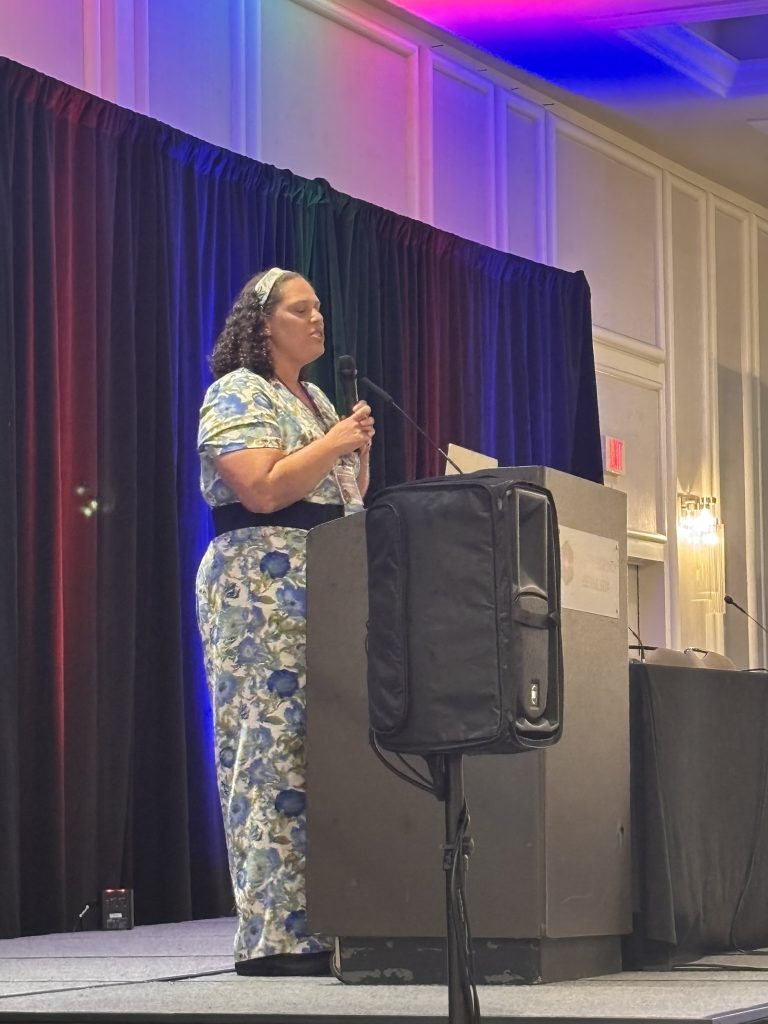
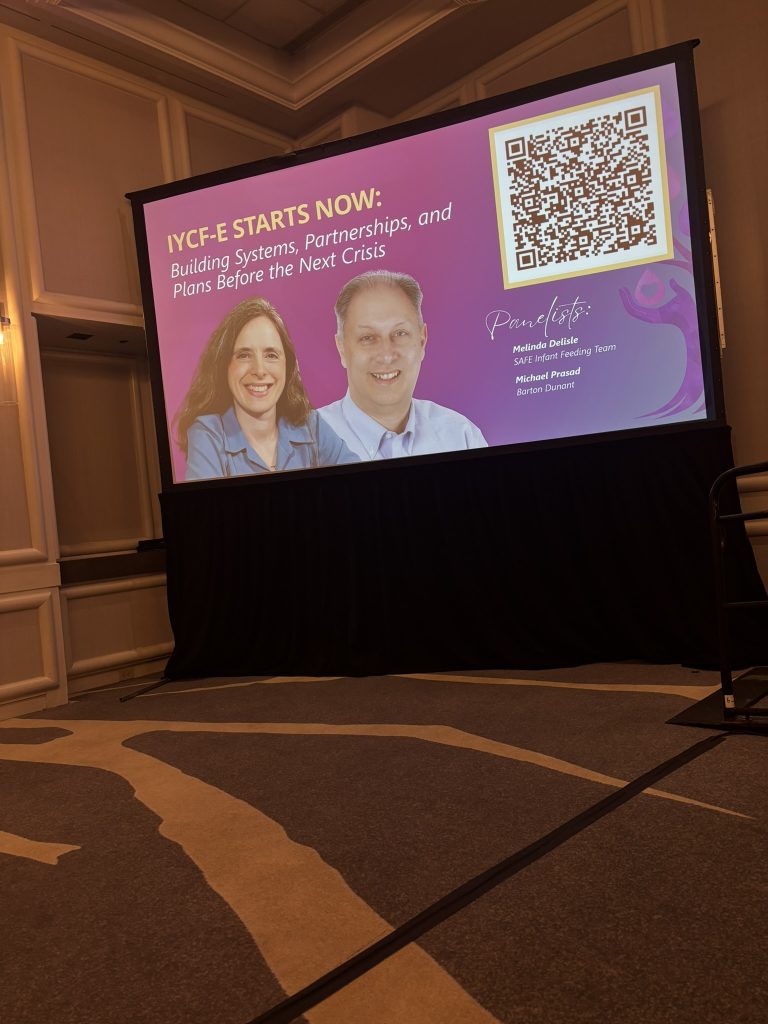
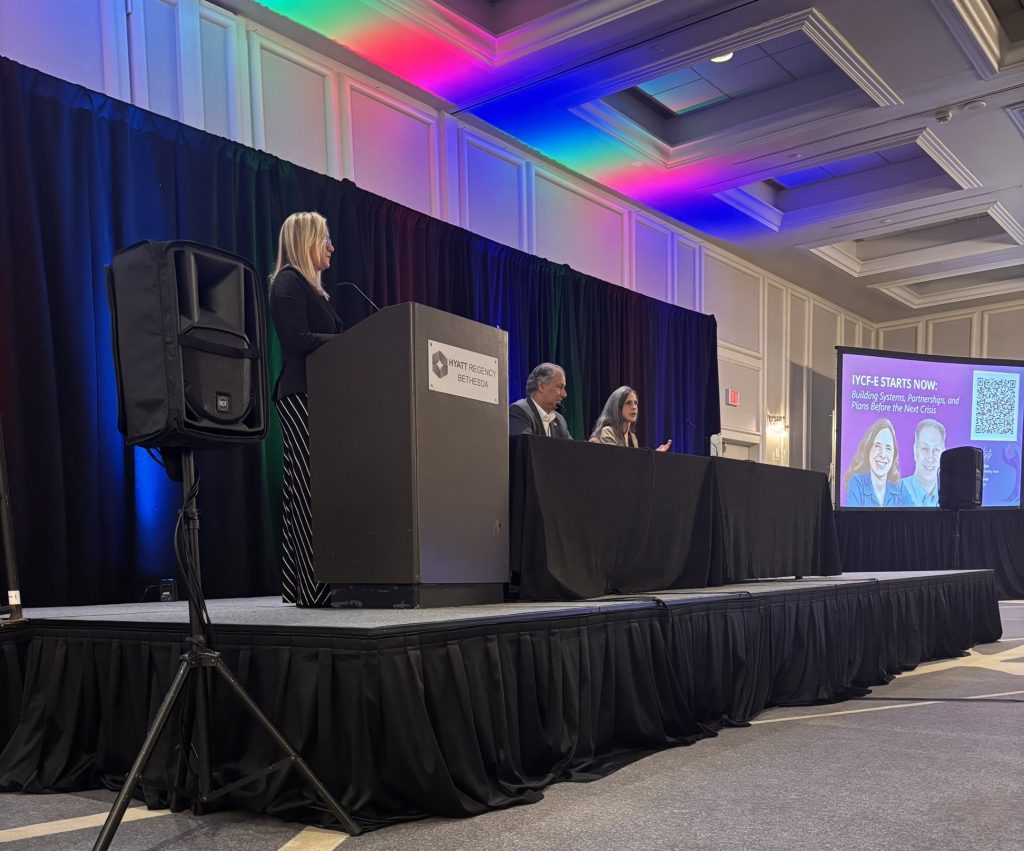
This past June 3–5, the SAFE Team headed to Bethesda, Maryland, for the U.S. Breastfeeding Committee’s National Breastfeeding Conference and Convening—and we are still feeling the post-conference energy! A major highlight of the event was the Plenary Panel Session, “IYCF-E Starts Now: Building Systems, Partnerships, and Plans Before the Next Crisis,” featuring our very own Melinda Delisle.
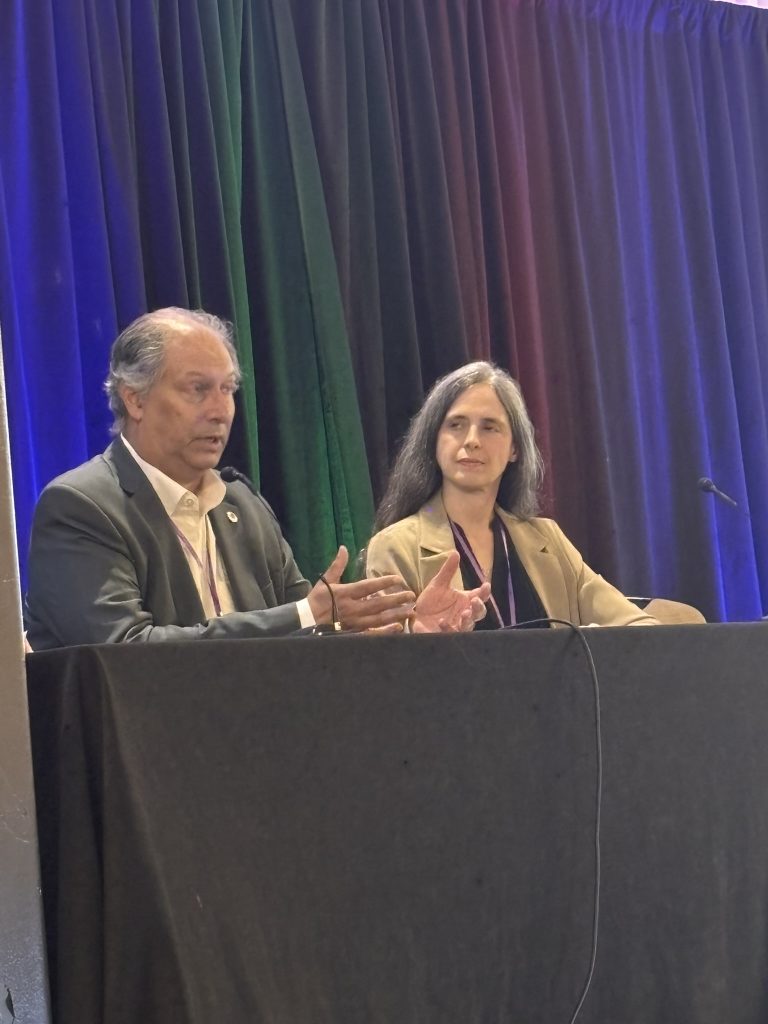
Melinda joined emergency management specialist Michael Prasad (Senior Research Analyst with Barton Dunant) for a powerful cross-sector conversation that proved to be a true catalyst for change. By bridging the gap between public health and disaster response, the duo successfully demystified complex emergency preparedness “jargon,” making it entirely accessible to the infant feeding advocates in the room. The collaboration was incredibly effective, sparking inspiration across the audience and motivating breastfeeding champions to return home and critically examine how infants and young children are protected in their own communities’ emergency plans. Emergency preparedness isn’t someone else’s job—it starts with us, right now.
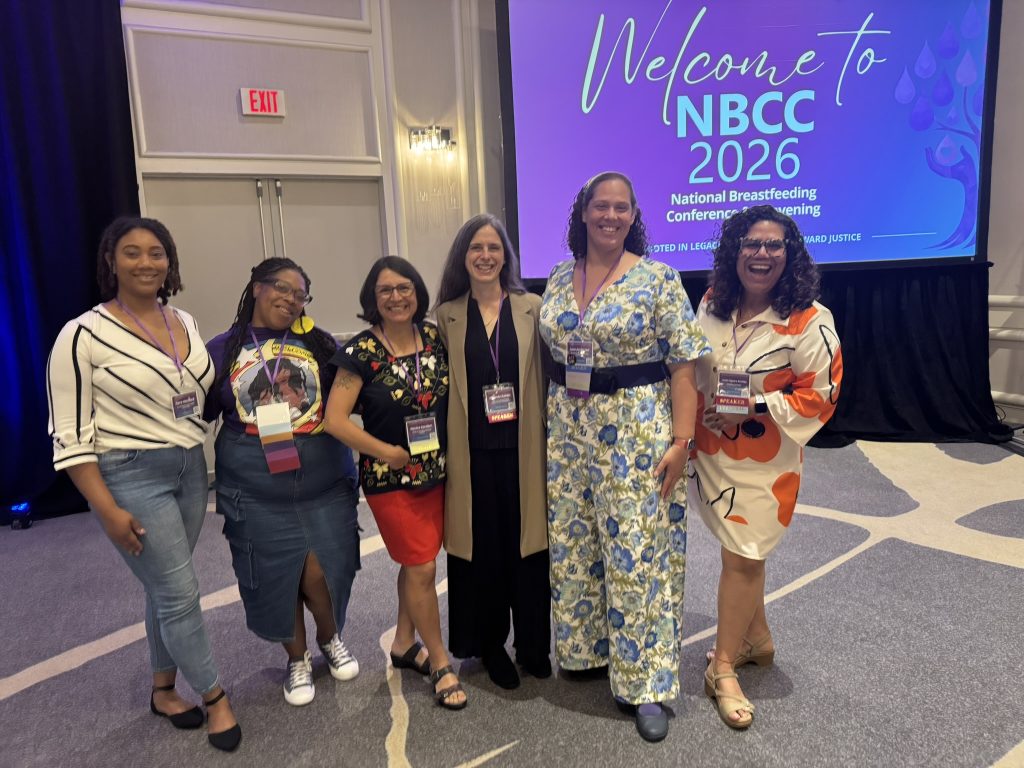
Another highlight was Love Anderson’s session, “Co-Creating the Lactation Landscape,” which helped attendees bring the concepts and ideas from the conference into practical reality for both emergency preparedness and protecting babies in day-to-day life. This regional action lab brought together attendees in state and regional groups for discussion about how to advance lactation in their area. Participants made or reinforced valuable connections with other first-food champions. Together, each group determined an achievable action step that will advance lactation in a way that their community needs.
The conference as a whole marked a pivotal moment for the future of lactation advocacy with the historic unveiling of the National Plan for Infant Nutrition Security. This groundbreaking national call to action shifts the conversation entirely toward strengthening breastfeeding and infant nutrition security through deep, structural change. Throughout the convening, the overarching emphasis was on why individual-level interventions—like education and counseling—alone simply cannot produce equitable outcomes if the surrounding policies, systems, and environments continue to shape and limit infant feeding possibilities for families. This systemic reality was captured perfectly in the powerful words of Clifton Kenon, who reminded attendees, “You cannot educate yourself out of structural barriers.” The message leaving Bethesda was clear: to truly support families, we must dismantle the systemic obstacles that stand in their way.
We would love to continue the conversation with anyone from NBCC, and hope that our team will see you there next year, or at an upcoming IYCF-E Constellation meeting!